

What is the ventilation requirement for aluminum cabinets?
May 15, 2025
Leave a message
Hey there! As a supplier of aluminum cabinets, I've been getting a lot of questions lately about ventilation requirements for these nifty storage solutions. So, I thought I'd take a deep dive into this topic and share everything you need to know.
First off, why is ventilation even important for aluminum cabinets? Well, aluminum is a great material. It's durable, lightweight, and resistant to corrosion. But even the best materials can face issues if there's no proper ventilation. Without adequate airflow, moisture can build up inside the cabinets. This can lead to a whole host of problems, like mold and mildew growth, which not only looks bad but can also damage the contents stored inside. Plus, in some cases, it can even affect the structural integrity of the cabinet over time.
Let's start by looking at different types of aluminum cabinets and their specific ventilation needs.
L - shaped Aluminum Cabinet
The [L - shaped Aluminum Cabinet](/aluminum - cabinets/l - shaped - aluminum - cabinet.html) is a popular choice, especially in kitchens and offices. In a kitchen setting, these cabinets are often used to store cookware, dishes, and food items. Since kitchens can be quite humid, especially when cooking, proper ventilation is crucial.
For L - shaped aluminum cabinets in the kitchen, you want to ensure that there's enough space around the cabinet for air to circulate. Don't push the cabinet right up against the wall. Leave at least a few inches of space between the back of the cabinet and the wall. This allows hot, moist air to escape and fresh air to come in.
Another good idea is to install small vents near the top and bottom of the cabinet. The warm, moist air rises, so having a vent at the top helps it escape. Meanwhile, the vent at the bottom allows fresh air to enter the cabinet. You can also use mesh panels instead of solid doors in some sections of the cabinet. This not only looks modern but also promotes better airflow.
Aluminium Cupboard Bedroom
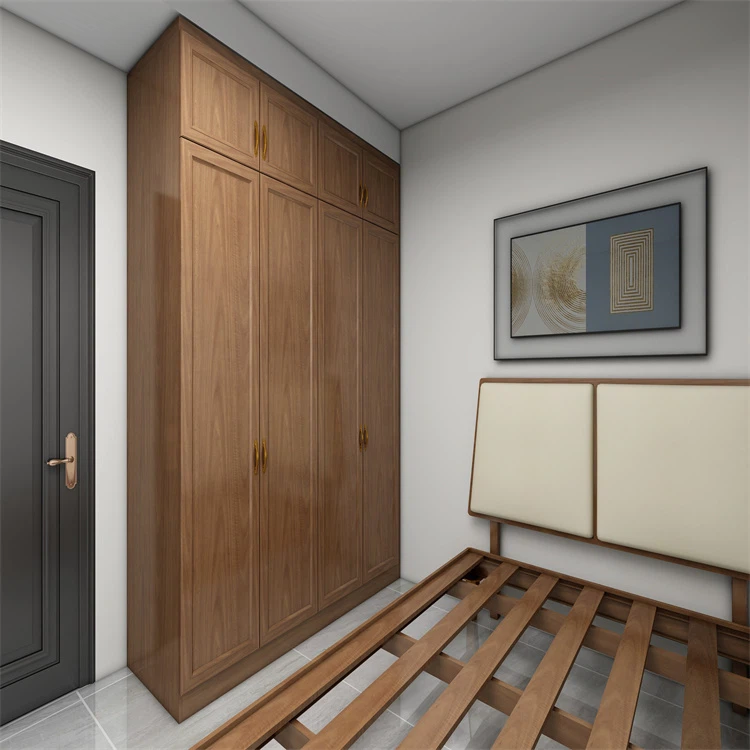
Now, let's talk about the [Aluminium Cupboard Bedroom](/aluminum - cabinets/aluminium - cupboard - bedroom.html). Bedrooms are generally less humid than kitchens, but there are still reasons to have proper ventilation. For one, clothes and bedding can trap moisture, especially if they're not completely dry before being stored.
In a bedroom aluminum cupboard, you can use a combination of passive and active ventilation methods. Passive ventilation can be achieved by leaving a small gap between the door and the cabinet frame. This allows for a slow but steady exchange of air. You can also place moisture - absorbing packets inside the cabinet to reduce humidity levels.
If you live in a particularly humid area, you might want to consider an active ventilation system. This could be a small fan installed inside the cabinet that runs on a timer. It can help to draw out the moist air and keep the contents dry.
Aluminium Toilet Cabinet
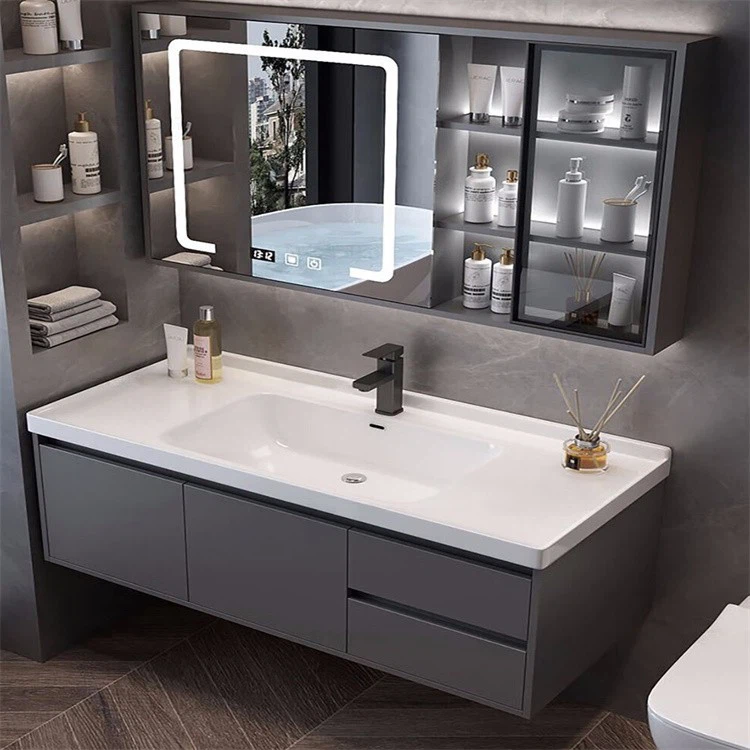
The [Aluminium Toilet Cabinet](/aluminum - cabinets/aluminium - toilet - cabinet.html) is exposed to high levels of moisture on a daily basis. Toilets generate steam when in use, and this can quickly lead to condensation inside the cabinet.
For toilet cabinets, it's essential to have good ventilation. One option is to install a ventilation fan directly into the cabinet. This fan can be connected to the bathroom's main ventilation system. When the bathroom fan runs, it will also draw out the moist air from the cabinet.
Another approach is to use a cabinet with a built - in ventilation grille. These grilles are designed to allow air to flow in and out of the cabinet while still keeping the contents protected. You can also choose cabinets with adjustable vents, so you can control the amount of airflow depending on the humidity levels in your bathroom.
Now, let's get into the technical aspects of ventilation requirements.
The ventilation rate for aluminum cabinets depends on several factors, including the size of the cabinet, the location, and the type of items stored inside. As a general rule of thumb, for every cubic foot of cabinet space, you should aim for at least 0.1 cubic feet per minute (CFM) of airflow. So, if you have a cabinet that's 50 cubic feet in size, you'll need a ventilation system that can provide at least 5 CFM of airflow.
However, this is just a starting point. If the cabinet is located in a high - humidity area like a kitchen or bathroom, you may need a higher ventilation rate. You might want to aim for 0.2 - 0.3 CFM per cubic foot of cabinet space.
When it comes to measuring the ventilation rate, you can use a simple anemometer. This device measures the speed of the air flowing through the vents. By multiplying the air speed by the area of the vent, you can calculate the CFM.
It's also important to consider the quality of the air being circulated. In some cases, the air outside the cabinet may be polluted or contain a lot of dust. To prevent this from getting into the cabinet, you can install air filters in the vents. These filters can trap dust, pollen, and other particles, ensuring that the air inside the cabinet remains clean.
In addition to mechanical ventilation, natural ventilation can also play a role. If your cabinets are located near a window or an open door, you can take advantage of natural breezes to improve airflow. Just make sure to close the cabinet doors when the weather is particularly humid or when there's a lot of dust outside.
To sum it up, proper ventilation is essential for aluminum cabinets. It helps to prevent moisture - related problems, keeps the contents in good condition, and extends the lifespan of the cabinet. Whether you're using an L - shaped aluminum cabinet in the kitchen, an aluminium cupboard in the bedroom, or an aluminium toilet cabinet, make sure to follow the ventilation guidelines I've shared.
If you're in the market for high - quality aluminum cabinets and need more advice on ventilation or any other aspect, I'd love to help. Just reach out, and we can have a chat about your specific needs. Whether you're a homeowner looking to upgrade your storage or a business owner in need of commercial - grade cabinets, I've got you covered. Let's work together to find the perfect aluminum cabinet solution for you!
References
- Building Ventilation Handbook. American Society of Heating, Refrigerating and Air - Conditioning Engineers (ASHRAE).
- Guide to Moisture Control in Buildings. National Institute of Building Sciences.