

What is the noise level when using aluminum cabinets?
Oct 07, 2025
Leave a message
As a supplier of aluminum cabinets, one question that often comes up from our clients is about the noise level when using these cabinets. Understanding the noise aspect is crucial as it can significantly impact the user experience, especially in settings where quietness is highly valued, such as bedrooms, offices, or high - end commercial spaces.
Factors Affecting Noise Level
Material Properties
Aluminum is a metal with certain physical properties that influence noise. Its density and stiffness play a role in how it interacts with sound. Compared to materials like wood, aluminum is generally stiffer. When an object hits an aluminum cabinet, the vibrations are transmitted differently. The stiffness of aluminum allows it to quickly transfer the energy of an impact, which can result in a sharp, short - lived noise.
For example, if you accidentally drop a small item inside an aluminum cabinet, the sound might be a quick "clink" rather than a dull thud you'd get with a wooden cabinet. However, this also means that the sound doesn't linger as long. The density of aluminum, while lower than some metals, still contributes to its ability to dampen certain frequencies. The relatively uniform molecular structure of aluminum doesn't absorb sound as effectively as porous materials but can reflect and transmit sound waves in a predictable way.
Construction and Design
The way an aluminum cabinet is constructed has a major impact on noise. Well - designed cabinets with proper seals and hinges can reduce noise significantly. For instance, a cabinet with high - quality, well - lubricated hinges will open and close smoothly, producing minimal creaking or rattling sounds. A cabinet that is tightly assembled, with no loose parts, will also be quieter.
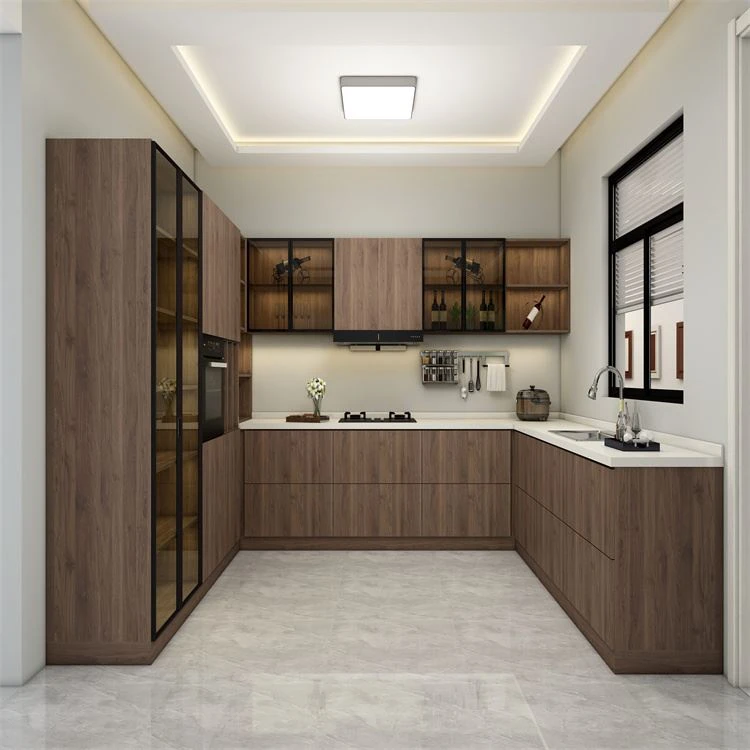
On the other hand, if the cabinet is poorly constructed, with gaps between panels or loose hardware, it can generate noise. Loose screws or bolts can rattle when the cabinet is moved or when there are vibrations in the surrounding environment. Also, the shape of the cabinet can affect noise. L - shaped Aluminum Cabinet designs, for example, may have more corners and edges where sound can bounce and be amplified if not properly designed.

Usage Scenarios
The noise level also depends on how the cabinet is used. In a busy household kitchen, where the cabinet doors are opened and closed frequently, the noise can add up. If heavy items are being stored and retrieved, it can create more noise compared to a cabinet in a less - used area.
In a bathroom setting, the Aluminium Toilet Cabinet may be subject to moisture, which can affect the hardware over time. Rusty or corroded hinges can start to make squeaking sounds, increasing the overall noise level. In an office environment, a cabinet used to store important documents might be opened less frequently, but when it is, any noise could be more noticeable in the otherwise quiet space.
Measuring Noise Levels
To accurately measure the noise level of an aluminum cabinet, we can use a sound level meter. The unit of measurement for sound is the decibel (dB). In a typical quiet room, the background noise level is around 30 - 40 dB.
When opening and closing a well - made aluminum cabinet, the noise level might range from 40 - 50 dB. This is similar to the sound of a normal conversation at a distance. However, if the cabinet is poorly maintained or has loose parts, the noise level can increase to 60 - 70 dB, which is comparable to the sound of a vacuum cleaner from a few feet away.
Reducing Noise in Aluminum Cabinets
As a supplier, we are committed to providing solutions to reduce the noise level of our aluminum cabinets.
High - Quality Hardware
Using high - quality hinges, handles, and locks is essential. Hinges with built - in dampers can slow down the closing process, reducing the impact noise. Soft - close hinges are becoming increasingly popular as they gently close the cabinet door, eliminating the loud "slam" sound. High - quality handles that are firmly attached also prevent rattling.
Sealing and Insulation
Adding rubber seals around the edges of the cabinet doors can reduce the noise caused by the doors hitting the frame. These seals also help to prevent dust and moisture from entering the cabinet. Additionally, some cabinets can be insulated with materials that absorb sound. This is especially useful in cabinets that are used in noisy environments or where quietness is a priority.
Proper Installation
Ensuring that the cabinet is installed correctly is crucial. A cabinet that is not level can put stress on the hinges and other hardware, leading to premature wear and increased noise. Professional installation can also help to identify and correct any potential issues that could cause noise in the future.
Comparing with Other Cabinet Materials
When compared to other common cabinet materials like wood and plastic, aluminum has its own noise characteristics.
Wood
Wooden cabinets are often perceived as quieter due to their natural ability to absorb sound. The porous nature of wood can dampen vibrations and reduce noise. However, wood can also warp over time, especially in humid environments, which can lead to loose joints and increased noise. Aluminum, on the other hand, is more resistant to warping but may be noisier when hit or when the doors are opened and closed.
Plastic
Plastic cabinets are generally lightweight and can be relatively quiet. However, they may not be as durable as aluminum. Plastic can crack or break under heavy use, and the joints may become loose, resulting in noise. Aluminum cabinets offer a good balance between durability and noise control when properly designed and maintained.
Conclusion
In conclusion, the noise level when using aluminum cabinets is influenced by multiple factors including material properties, construction, design, and usage scenarios. While aluminum cabinets may have some inherent noise characteristics, proper design, high - quality hardware, and good maintenance can significantly reduce the noise.
At our company, we take pride in providing high - quality aluminum cabinets that are designed with noise reduction in mind. Whether you are looking for an L - shaped Aluminum Cabinet, a U - shaped Aluminum Cabinet, or an Aluminium Toilet Cabinet, we can offer solutions that meet your noise requirements.
If you are interested in purchasing our aluminum cabinets or have any questions about noise levels or other aspects of our products, we encourage you to contact us for a procurement discussion. We are here to help you find the perfect cabinet solution for your needs.
References
- "Materials Science and Engineering: An Introduction" by William D. Callister Jr. and David G. Rethwisch
- "Building Construction Handbook" by Edward Allen and Joseph Iano