

What is the impact resistance of an aluminum single door?
Jul 31, 2025
Leave a message
As a supplier of aluminum single doors, I often get asked about the impact resistance of these doors. Impact resistance is a crucial factor to consider, especially in areas where the door might be subjected to accidental bumps, knocks, or even more forceful impacts. In this blog post, I'll delve into what impact resistance means for an aluminum single door, the factors that affect it, and why it matters for different applications.
Understanding Impact Resistance
Impact resistance refers to a material's ability to withstand a sudden force or blow without significant damage. For an aluminum single door, this means that the door can endure impacts from daily use, such as being accidentally hit by furniture during moving, or from external factors like strong winds or flying debris in some cases.
Aluminum, as a material, has inherent properties that contribute to its impact resistance. It is a lightweight yet strong metal. The atomic structure of aluminum allows it to absorb and distribute energy from an impact over a relatively large area. This means that instead of cracking or breaking immediately upon impact, the door can deform slightly and then often return to its original shape, especially if the impact is within its designed tolerance.
Factors Affecting the Impact Resistance of Aluminum Single Doors
1. Thickness of the Aluminum
The thickness of the aluminum used in the door construction plays a significant role in its impact resistance. Thicker aluminum sections can generally withstand more force before deforming. For example, a door made with 2 - 3 mm thick aluminum will have better impact resistance compared to a door with 1 - 1.5 mm thick aluminum. However, increasing the thickness also adds to the cost and weight of the door, so a balance needs to be struck based on the intended use of the door.
2. Design and Reinforcement
The design of the door can greatly enhance its impact resistance. Doors with a well - engineered frame structure, such as those with multiple cross - members or reinforced corners, are better able to distribute the impact force. Additionally, some aluminum single doors come with internal reinforcements, like steel bars or other stiffening elements, which can significantly improve their ability to withstand impacts.
3. Quality of the Aluminum Alloy
Not all aluminum is created equal. Different aluminum alloys have different mechanical properties. Alloys that are specifically formulated for high - strength applications, such as 6061 - T6 or 6063 - T5, offer better impact resistance compared to standard or lower - grade alloys. These high - strength alloys have been heat - treated and processed to optimize their strength and durability.
4. Glass Type (if applicable)
Many aluminum single doors incorporate glass panels. The type of glass used can affect the overall impact resistance of the door. Tempered glass, for instance, is much stronger than regular glass. It is designed to break into small, relatively harmless pieces when shattered, rather than large, sharp shards. Laminated glass, which consists of two or more layers of glass bonded together with a plastic interlayer, offers even better impact resistance and can hold together even when broken, providing an extra level of safety.
Importance of Impact Resistance in Different Applications
1. Residential Use
In a residential setting, impact resistance is important for both internal and external doors. Internal Aluminum Doors are often used in hallways, bedrooms, and bathrooms. They may be accidentally bumped into by people or furniture, so a door with good impact resistance will last longer and maintain its appearance. For example, a Powder Coated Aluminum Bedroom Door that can withstand minor impacts will not show dents or scratches easily, keeping the bedroom looking neat and presentable.
External residential doors, on the other hand, need to withstand more severe conditions. They may be exposed to strong winds, flying debris during storms, or even attempted break - ins. A high - impact - resistant aluminum single door can provide an added layer of security and protection for the home.
2. Commercial Use
In commercial buildings, such as offices, shops, and restaurants, aluminum single doors are constantly in use. They are likely to be opened and closed frequently, and there is a higher chance of people or objects colliding with them. Impact - resistant doors are essential to ensure that they can withstand the rigors of daily commercial use without needing frequent repairs or replacements. For example, in a busy retail store, an External Aluminium Glass Doors with good impact resistance will not only look professional but also provide a safe and durable entrance for customers.
Testing and Standards for Impact Resistance
There are various testing methods and standards in place to measure the impact resistance of aluminum single doors. For example, in the United States, the American Society for Testing and Materials (ASTM) has developed standards such as ASTM E966, which tests the impact resistance of doors and windows. These tests typically involve subjecting the door to a series of impacts using a pendulum or a projectile to simulate real - world scenarios.
Doors that meet these standards are more likely to perform well in terms of impact resistance. As a supplier, I ensure that all our aluminum single doors are tested according to relevant industry standards to guarantee their quality and performance.

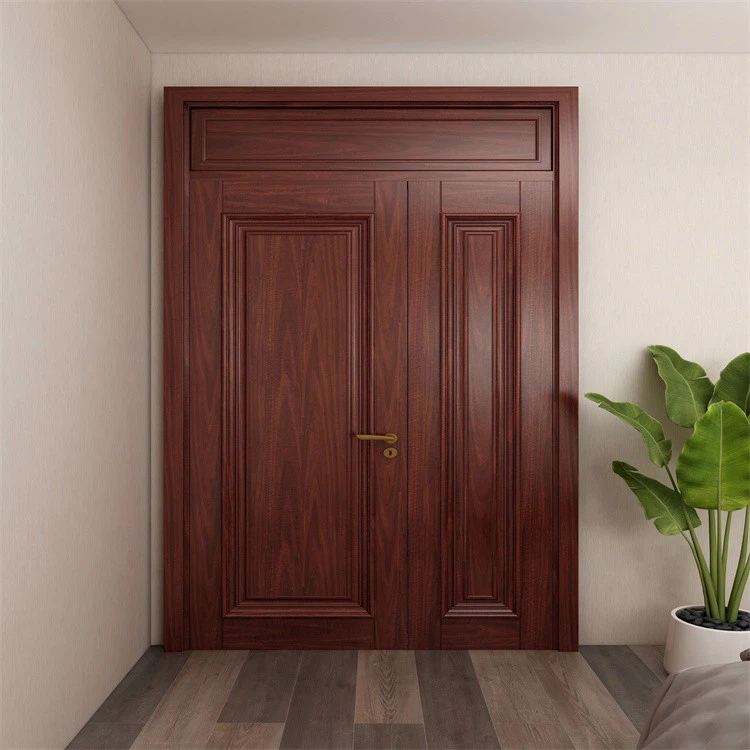
Benefits of Choosing an Impact - Resistant Aluminum Single Door
1. Durability
An impact - resistant door will last longer. It can withstand the wear and tear of daily use, reducing the need for frequent replacements. This is not only cost - effective in the long run but also environmentally friendly as it reduces waste.
2. Safety
In case of an impact, a door that can withstand the force without breaking into sharp pieces or detaching from its frame provides a safer environment. This is especially important in areas where there are children, elderly people, or in commercial settings with a high volume of foot traffic.
3. Aesthetics
A door that maintains its shape and appearance even after impacts looks better. It enhances the overall look of the building, whether it's a residential home or a commercial establishment.
Conclusion
The impact resistance of an aluminum single door is a crucial aspect that should not be overlooked. It is influenced by factors such as the thickness of the aluminum, design, alloy quality, and glass type. Whether for residential or commercial use, a high - impact - resistant door offers durability, safety, and aesthetic benefits.
If you are in the market for an aluminum single door and want to learn more about our products' impact resistance or discuss your specific requirements, I encourage you to reach out to us. We are here to help you find the perfect door solution for your needs.
References
- ASTM International. (2023). ASTM E966 - Standard Test Method for Impact Resistance of Exterior Windows, Curtain Walls, Doors, and Storm Shutters by Uniform Static Air Pressure Difference.
- Aluminum Association. (2023). Properties and Applications of Aluminum Alloys.