

What is the environmental impact of internal aluminum doors?
Jan 01, 2026
Leave a message
Hey there! As a supplier of internal aluminum doors, I often get asked about their environmental impact. Well, let's dive right into it and explore how these doors stack up when it comes to the environment.
1. Aluminum: A Sustainable Material
First off, aluminum is a pretty amazing material from an environmental perspective. It's one of the most abundant elements on Earth, which means there's plenty of it to go around. And the good news is, it's highly recyclable. In fact, aluminum can be recycled over and over again without losing its quality. That's a huge plus when we're talking about reducing waste and conserving resources.
When we recycle aluminum, we save a ton of energy compared to producing new aluminum from bauxite ore. According to some studies, recycling aluminum uses up to 95% less energy than primary production. That's a massive energy saving, which in turn reduces greenhouse gas emissions. So, by choosing internal aluminum doors, you're already making a more sustainable choice right off the bat.
2. Production Process
Now, let's talk about how these doors are made. The production of internal aluminum doors does require energy, but modern manufacturing processes have come a long way in terms of efficiency. Many manufacturers, including us, are constantly looking for ways to reduce energy consumption during production.
We use advanced machinery and techniques that minimize waste and optimize the use of materials. For example, we cut the aluminum profiles with precision, ensuring that we use as much of the raw material as possible. This not only reduces waste but also saves on costs in the long run.
Another aspect of the production process is the finishing of the doors. We offer a variety of finishes, such as anodizing and powder coating. Anodizing is a process that creates a protective layer on the aluminum surface, making it more durable and resistant to corrosion. It's also an environmentally friendly process as it doesn't involve the use of harmful chemicals. Powder coating, on the other hand, is a dry finishing process that produces very little waste and has a low VOC (volatile organic compound) emission.
3. Energy Efficiency
Internal aluminum doors can also contribute to energy efficiency in your home or building. They can be designed with high - performance glass and insulation materials, which help to reduce heat transfer. This means that in the winter, less heat will escape from your building, and in the summer, less heat will enter. As a result, you'll be able to rely less on heating and cooling systems, which in turn reduces energy consumption and your carbon footprint.
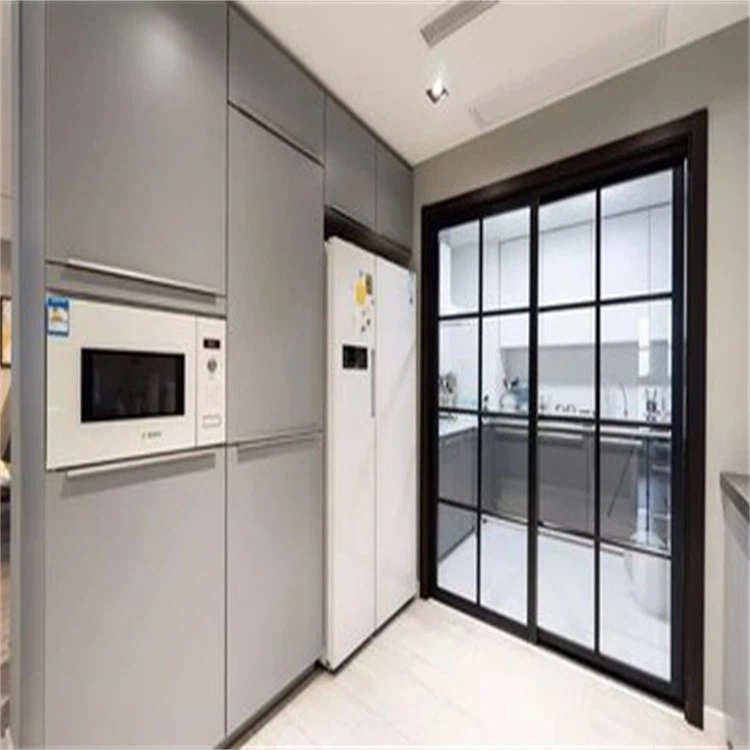
For example, our Aluminium Door in Kitchen is designed with energy - efficient glass that provides excellent insulation. This not only keeps your kitchen at a comfortable temperature but also helps you save on energy bills.
4. Durability and Longevity
One of the great things about internal aluminum doors is their durability. They are resistant to rust, corrosion, and warping, which means they can last for a very long time. Unlike some other materials, such as wood, aluminum doors don't require frequent maintenance or replacement.
When a product has a long lifespan, it reduces the need for frequent production and disposal. This is beneficial for the environment as it conserves resources and reduces waste. You can install our internal aluminum doors and expect them to serve you well for many years to come.
5. End - of - Life Recycling
As mentioned earlier, aluminum is highly recyclable. When the time comes for your internal aluminum doors to be replaced, they can be easily recycled. The recycling process is relatively simple and efficient, and the recycled aluminum can be used to make new products, including more internal aluminum doors.
This closed - loop recycling system helps to reduce the demand for new raw materials and minimizes the environmental impact associated with waste disposal. It's a win - win situation for both the environment and the economy.
6. Comparison with Other Materials
Let's compare internal aluminum doors with some other common door materials, such as wood and PVC. Wood doors, while they have a natural and warm look, require a significant amount of timber, which can contribute to deforestation if not sourced sustainably. Additionally, wood doors need regular maintenance, such as painting and sealing, to prevent rot and decay.
PVC doors, on the other hand, are made from a type of plastic. The production of PVC involves the use of chemicals, and there are concerns about its environmental impact during production and disposal. PVC is also not as recyclable as aluminum.
In contrast, internal aluminum doors offer a more sustainable alternative. They are made from a recyclable material, have a long lifespan, and can be produced with relatively low environmental impact.
7. Our Commitment to the Environment
As a supplier of internal aluminum doors, we are committed to reducing our environmental impact. We strive to use sustainable manufacturing practices, source our materials responsibly, and promote the recycling of our products.

We also offer a range of environmentally friendly options, such as our External Aluminium Glass Doors and Anodized Multi - color Aluminum Door, which are designed with energy efficiency and durability in mind.
8. Conclusion and Call to Action
In conclusion, internal aluminum doors have a relatively low environmental impact compared to many other door materials. They are made from a recyclable material, can be produced efficiently, and offer energy - saving benefits. Whether you're looking for a door for your kitchen, living room, or any other internal space, internal aluminum doors are a great choice.
If you're interested in learning more about our internal aluminum doors or would like to discuss a potential purchase, we'd love to hear from you. Contact us today to start a conversation about how we can meet your door needs while also being kind to the environment.
References
- Aluminum Association. (2023). The Environmental Benefits of Aluminum.
- International Aluminium Institute. (2023). Aluminium Recycling: A Sustainable Solution.
- U.S. Department of Energy. (2023). Energy - Efficient Building Materials.