

What are the acoustic properties of aluminum doors?
Dec 03, 2025
Leave a message
As an aluminum door supplier, I've witnessed firsthand the growing popularity of aluminum doors in various settings. One aspect that often comes up in discussions with clients is the acoustic properties of these doors. In this blog, I'll delve into the science behind the acoustic performance of aluminum doors, their advantages, and how they can enhance your living or working environment.
Understanding Acoustic Properties
Before we explore the acoustic properties of aluminum doors, let's first understand what acoustics is all about. Acoustics is the science that deals with the production, control, transmission, reception, and effects of sound. When it comes to doors, the key acoustic properties we're interested in are sound insulation and sound absorption.
Sound insulation refers to the ability of a door to prevent sound from passing through it. It's measured in decibels (dB), and a higher dB rating means better sound insulation. Sound absorption, on the other hand, is the ability of a material to absorb sound energy rather than reflecting it. This helps to reduce echoes and reverberation in a room.
Acoustic Properties of Aluminum Doors
Aluminum itself is not a particularly good sound insulator. It's a hard and dense metal that tends to transmit sound vibrations easily. However, modern aluminum doors are designed with several features that can significantly improve their acoustic performance.
Frame Design
The frame of an aluminum door plays a crucial role in its sound insulation capabilities. A well-designed frame can create a tight seal around the door, preventing sound from leaking in or out. Many aluminum doors feature multi-chambered frames, which are filled with insulating materials such as foam or rubber. These materials help to absorb sound vibrations and reduce the transmission of sound through the frame.
Glass Selection
The type of glass used in an aluminum door also has a significant impact on its acoustic performance. Double or triple glazing is commonly used in aluminum doors to improve sound insulation. Double glazing consists of two layers of glass separated by a layer of air or gas, while triple glazing has three layers of glass with two layers of air or gas in between. The air or gas layer acts as an insulator, reducing the transmission of sound through the glass.
In addition to double or triple glazing, some aluminum doors also use laminated glass. Laminated glass consists of two or more layers of glass bonded together with a layer of plastic in between. This plastic layer helps to absorb sound vibrations and reduce the transmission of sound through the glass.
Sealing
Proper sealing is essential for achieving good sound insulation in an aluminum door. The door should be fitted with high-quality seals around the edges to prevent sound from leaking in or out. These seals can be made of rubber, silicone, or other materials that are designed to create a tight seal.
Weatherstripping
Weatherstripping is another important feature that can improve the acoustic performance of an aluminum door. Weatherstripping is a strip of material that is installed around the perimeter of the door to seal gaps and prevent air and sound from entering or leaving the room. It can be made of rubber, foam, or other materials that are designed to be flexible and durable.
Advantages of Aluminum Doors with Good Acoustic Properties
There are several advantages to choosing aluminum doors with good acoustic properties.
Noise Reduction
One of the main benefits of aluminum doors with good acoustic properties is noise reduction. Whether you live in a busy urban area, near a noisy road, or in a building with a lot of foot traffic, aluminum doors can help to create a quieter and more peaceful living or working environment. By reducing the amount of noise that enters your home or office, you can enjoy a better quality of life and improve your productivity.
Energy Efficiency
Aluminum doors with good acoustic properties are often also energy-efficient. The multi-chambered frames, double or triple glazing, and proper sealing help to reduce heat transfer through the door, which can save you money on your energy bills. In addition, the sound insulation properties of the door can also help to reduce the amount of noise that enters your home or office, which can further reduce your energy consumption by reducing the need for heating or cooling.
Aesthetics
Aluminum doors are available in a wide range of styles and designs, so you can choose a door that complements the architecture and decor of your home or office. Whether you prefer a modern, minimalist look or a more traditional style, there's an aluminum door that's right for you.
Durability
Aluminum is a strong and durable material that is resistant to corrosion, rust, and rot. This means that aluminum doors can last for many years with minimal maintenance. In addition, the sound insulation properties of the door can also help to protect the interior of your home or office from damage caused by noise and vibration.
Applications of Aluminum Doors with Good Acoustic Properties
Aluminum doors with good acoustic properties can be used in a variety of applications, including:
Residential Buildings
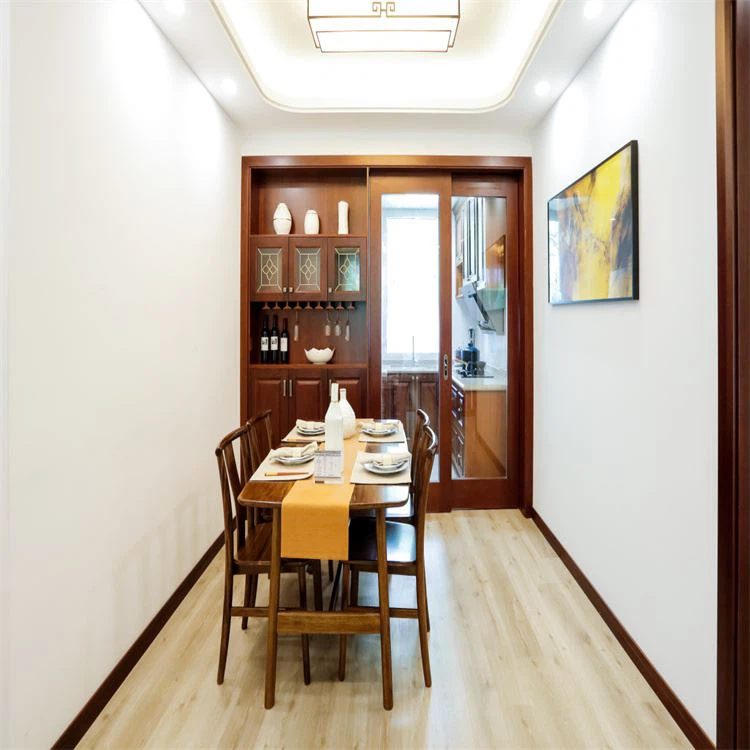
In residential buildings, aluminum doors can be used in bedrooms, living rooms, home offices, and other areas where noise reduction is important. They can also be used in bathrooms and kitchens to prevent the spread of noise and odors. For more information on Aluminium Door in Bathroom and Aluminium Door in Kitchen, please visit our website.
Commercial Buildings
In commercial buildings, aluminum doors can be used in offices, conference rooms, hospitals, schools, and other areas where noise reduction is essential. They can also be used in retail stores and restaurants to create a more comfortable and inviting atmosphere for customers.
Outdoor Spaces
Aluminum doors can also be used in outdoor spaces such as patios, decks, and lanais. Aluminum Lanai Doors are a popular choice for homeowners who want to create a seamless transition between their indoor and outdoor living spaces while also reducing the amount of noise and wind that enters their home.
Conclusion
In conclusion, the acoustic properties of aluminum doors are an important consideration when choosing a door for your home or office. By understanding the science behind the acoustic performance of aluminum doors and the features that can improve their sound insulation capabilities, you can make an informed decision and choose a door that meets your needs and budget.
If you're interested in learning more about our aluminum doors or would like to discuss your specific requirements, please don't hesitate to contact us. Our team of experts is always available to answer your questions and provide you with the information you need to make the right choice.
References
- "Acoustics: Sound Insulation." Wikipedia. Accessed [Date].
- "Double Glazing and Sound Insulation." Glass and Glazing Federation. Accessed [Date].
- "Laminated Glass: A Guide to Its Properties and Applications." Pilkington. Accessed [Date].