

How to ensure the stability of aluminum cabinets?
May 20, 2025
Leave a message
Ensuring the stability of aluminum cabinets is crucial for both manufacturers and customers. As a supplier of aluminum cabinets, I understand the significance of delivering products that not only look great but also stand the test of time. In this blog post, I will share some key strategies and considerations to ensure the stability of aluminum cabinets.
1. Quality of Aluminum Material
The foundation of a stable aluminum cabinet lies in the quality of the aluminum used. High - grade aluminum alloys are essential. These alloys should have the right balance of strength and malleability. For instance, 6061 aluminum alloy is a popular choice in cabinet manufacturing. It offers good corrosion resistance, medium to high strength, and excellent weldability.
When sourcing aluminum, it's important to work with reliable suppliers. Conduct regular quality checks on the incoming material. Check for any signs of impurities, uneven thickness, or surface defects. A consistent thickness across the cabinet components is vital for maintaining stability. Any variations in thickness can lead to stress concentrations and potential structural failures over time.
2. Design and Structural Integrity
The design of the aluminum cabinet plays a significant role in its stability. A well - designed cabinet should have a proper frame structure. The frame provides the main support for the cabinet and distributes the weight evenly. For example, a cabinet with a full - perimeter frame will be more stable than one with a partial or flimsy frame.
Corner joints are another critical aspect of the design. Strong corner joints can prevent the cabinet from racking or twisting. Techniques such as welding, mechanical fastening, or the use of corner brackets can be employed to ensure robust corner connections. Welding creates a permanent and strong bond, but it requires skilled welders to ensure a high - quality joint. Mechanical fasteners like screws and bolts are also effective, but they need to be tightened properly and may require additional reinforcement in some cases.
The internal bracing of the cabinet is also important. Adding horizontal or vertical braces inside the cabinet can enhance its rigidity. For large cabinets, internal shelves can be designed to act as additional braces, further improving the overall stability.
3. Surface Treatment
Surface treatment is not only about aesthetics but also about protecting the aluminum and enhancing its stability. Anodizing is a common surface treatment for aluminum cabinets. It creates a hard, protective oxide layer on the surface of the aluminum. This layer not only improves the corrosion resistance of the cabinet but also increases its durability.
Powder coating is another popular option. It provides a smooth, even finish and additional protection against scratches and abrasions. A well - applied powder coating can also help to prevent the aluminum from being affected by environmental factors such as humidity and temperature changes. These factors can cause the aluminum to expand and contract, which may lead to structural instability if not properly addressed.
4. Installation and Assembly
Proper installation and assembly are key to ensuring the stability of aluminum cabinets. During the assembly process, all components should be aligned correctly. Misaligned components can put unnecessary stress on the cabinet structure and lead to instability.
When installing the cabinet, it's important to use the right hardware. Screws, wall anchors, and other mounting hardware should be appropriate for the weight and size of the cabinet. For wall - mounted cabinets, the wall surface should be strong enough to support the weight. If the wall is made of drywall, for example, using toggle bolts or other heavy - duty wall anchors is necessary.
During installation, the cabinet should be leveled. An unlevel cabinet can cause the doors and drawers to not close properly and may also put uneven stress on the cabinet structure over time. Use a level tool to ensure that the cabinet is perfectly horizontal and vertical.
5. Weight Distribution
Understanding and managing weight distribution is essential for the stability of aluminum cabinets. When loading the cabinet, it's important to distribute the weight evenly. For example, if a cabinet has multiple shelves, do not overload one shelf while leaving others empty.
The design of the cabinet should also take into account the expected weight. For cabinets that are intended to store heavy items, such as Aluminium Storage Cabinet, the frame and shelves should be designed to handle the additional load. Reinforcing the shelves or using thicker aluminum for the frame can be effective solutions.
6. Environmental Considerations
The environment in which the aluminum cabinet is placed can have a significant impact on its stability. High humidity can cause the aluminum to corrode, especially if the surface treatment is not sufficient. In areas with high humidity, it's important to choose cabinets with a high - quality anodized or powder - coated finish.
Temperature changes can also affect the stability of the cabinet. Aluminum expands and contracts with temperature variations. To accommodate these changes, some flexibility can be built into the design. For example, leaving a small gap between the cabinet and the wall can prevent the cabinet from being damaged due to expansion.
7. Regular Maintenance
Regular maintenance is necessary to ensure the long - term stability of aluminum cabinets. Inspect the cabinet periodically for any signs of damage, such as loose screws, dents, or scratches. Tighten any loose screws and repair any minor damages promptly.
Clean the cabinet regularly to remove dirt, dust, and other debris. Use a mild detergent and a soft cloth to clean the surface. Avoid using abrasive cleaners or tools that can scratch the surface treatment.
8. Compatibility with Accessories
When adding accessories to the aluminum cabinet, such as handles, hinges, and drawer slides, it's important to ensure their compatibility. The accessories should be of high quality and designed to work with the cabinet. Poor - quality accessories can affect the stability of the cabinet. For example, a loose hinge can cause the door to sag, putting additional stress on the cabinet frame.

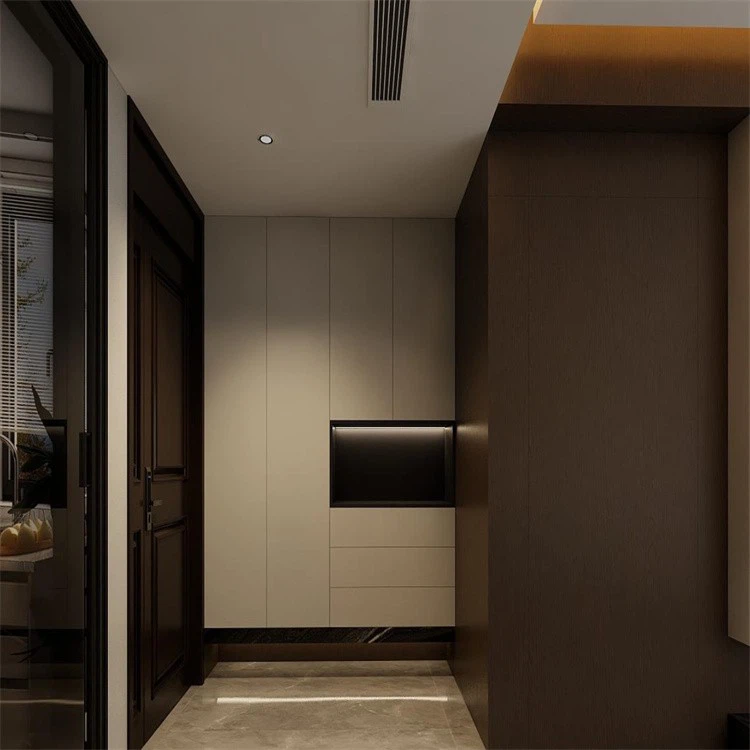
In conclusion, ensuring the stability of aluminum cabinets requires attention to detail at every stage, from material selection to regular maintenance. By following these strategies, we can provide our customers with high - quality, stable aluminum cabinets that meet their needs.
If you are interested in our Wood Finish Aluminum Cabinet or Aluminium Shoe Cabinet, or have any other requirements for aluminum cabinets, please feel free to contact us for procurement and further discussions. We are committed to providing you with the best products and services.
References
- Aluminum Association. "Properties and Applications of Aluminum Alloys."
- ASM International. "Handbook of Aluminum."
- Woodson, T. T., & White, J. H. (1986). "Thermal Design Heat Transfer in Electronics Equipment."