

Do aluminum dish cabinets rust?
Jun 23, 2025
Leave a message
As a seasoned supplier of Dish Cabinet Aluminum, I've encountered numerous inquiries from customers regarding the rust - resistance of aluminum dish cabinets. It's a valid concern, as the durability and longevity of these cabinets are of utmost importance to homeowners and businesses alike. In this blog, I'll delve deep into the science behind aluminum's corrosion resistance and explore whether aluminum dish cabinets can rust.
Understanding Aluminum's Properties
Aluminum is a remarkable metal known for its lightweight yet sturdy nature. One of its most significant characteristics is its natural ability to resist corrosion. When exposed to oxygen in the air, aluminum forms a thin, transparent layer of aluminum oxide on its surface. This oxide layer acts as a protective barrier, preventing further oxidation and safeguarding the underlying metal from environmental elements.
The chemical reaction that forms this protective layer is as follows: 4Al + 3O₂ → 2Al₂O₃. This aluminum oxide layer is highly stable and adheres tightly to the aluminum surface. It has excellent resistance to moisture, acids, and alkalis, which are common factors that cause rust in other metals like iron and steel.
Can Aluminum Dish Cabinets Rust?
In general, pure aluminum dish cabinets do not rust in the traditional sense. Rust is specifically the oxidation of iron or steel, which forms a reddish - brown flaky substance called iron oxide. Since aluminum is not iron, it cannot rust. However, aluminum can undergo a form of corrosion under certain conditions.
Normal Conditions
Under normal household or commercial settings, where the dish cabinets are used in kitchens or dining areas, aluminum dish cabinets are highly resistant to corrosion. The protective oxide layer remains intact, shielding the cabinet from moisture in the air, spills of water, or mild cleaning agents. This means that with proper care, these cabinets can maintain their appearance and structural integrity for many years.
Extreme Conditions
If aluminum dish cabinets are exposed to extreme conditions, such as prolonged immersion in highly acidic or alkaline solutions, the protective oxide layer can be damaged. For example, if a cabinet comes into contact with strong cleaning chemicals that are not recommended for aluminum surfaces, the oxide layer may dissolve. Once the protective layer is compromised, the underlying aluminum can react with oxygen and moisture, leading to a form of corrosion known as pitting corrosion. Pitting corrosion appears as small holes or pits on the surface of the aluminum, which can affect the aesthetic and structural quality of the cabinet.
Another situation where corrosion can occur is in environments with high levels of salt. Saltwater, for instance, can accelerate the corrosion process. If the dish cabinets are installed near a coastal area where the air contains a significant amount of salt particles, the salt can react with the aluminum, breaking down the oxide layer and causing corrosion over time.
Advantages of Aluminum Dish Cabinets
Despite the potential for corrosion under extreme conditions, aluminum dish cabinets offer numerous advantages that make them a popular choice.
Lightweight
Aluminum is much lighter than other materials commonly used for dish cabinets, such as wood or steel. This makes the cabinets easier to install and move around if necessary. It also puts less stress on the supporting structures, which is beneficial for both new and existing installations.
Durability
As mentioned earlier, under normal conditions, aluminum dish cabinets are highly durable. They are resistant to dents, scratches, and general wear and tear. This makes them a great option for high - traffic areas where the cabinets are likely to be bumped or used frequently.
Design Flexibility
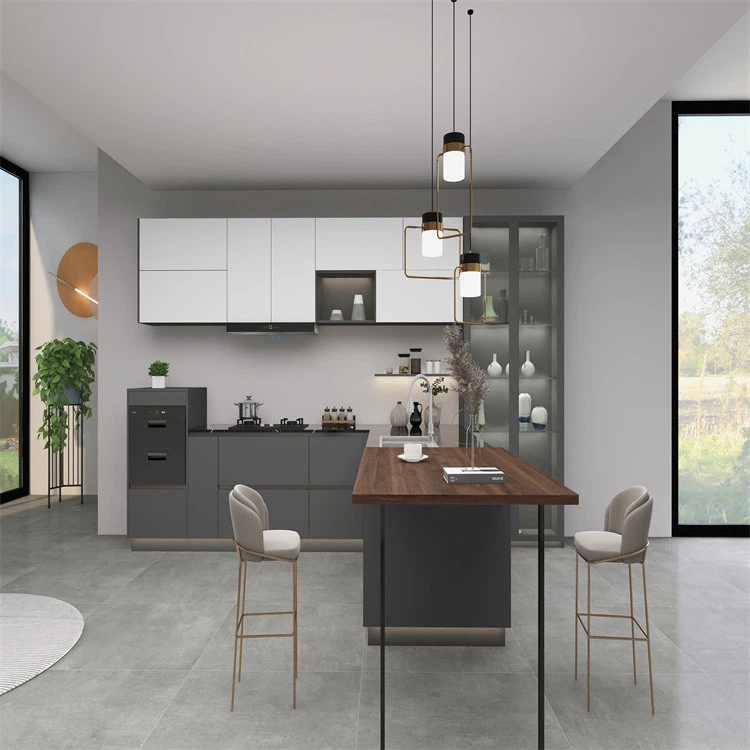
Aluminum can be easily shaped and fabricated into various designs. We offer a wide range of styles, including the L - shaped Aluminum Cabinet, which is perfect for making the most of corner spaces in kitchens. The Aluminum Mirror Cabinet adds a touch of elegance and functionality, while the Aluminum Kitchen Hanging Cabinet provides convenient storage solutions for kitchens.
Low Maintenance
Compared to other materials, aluminum dish cabinets require minimal maintenance. A simple wipe with a damp cloth and a mild cleaning agent is usually sufficient to keep them clean. There's no need for regular staining or painting, as is often the case with wooden cabinets.

Preventing Corrosion of Aluminum Dish Cabinets
To ensure the long - term durability of aluminum dish cabinets, it's important to take some preventive measures.
Proper Cleaning
Use only mild, non - abrasive cleaning agents that are specifically formulated for aluminum surfaces. Avoid using harsh chemicals, steel wool, or abrasive pads, as these can damage the protective oxide layer. When cleaning, gently wipe the surface of the cabinet in a circular motion, and then rinse with clean water and dry thoroughly.
Avoiding Harsh Environments
If possible, avoid exposing the cabinets to extreme conditions. Keep them away from direct contact with strong acids, alkalis, or saltwater. If the cabinets are installed in a coastal area, consider using protective coatings or sealants to enhance their corrosion resistance.
Regular Inspections
Periodically inspect the cabinets for any signs of damage or corrosion. If you notice any small pits or discoloration, address the issue immediately. Minor corrosion can often be treated by using a specialized aluminum cleaner and then reapplying a protective coating.
Contact for Purchase and Consultation
If you're interested in purchasing high - quality aluminum dish cabinets, I invite you to reach out for a consultation. Our team of experts can provide you with detailed information about our products, including different styles, sizes, and customization options. We can also offer advice on installation, maintenance, and how to prevent corrosion. Whether you're a homeowner looking to renovate your kitchen or a business owner in need of commercial - grade dish cabinets, we have the solutions to meet your needs.
References
- "Aluminum: Properties, Processing, and Applications" by John R. Davis.
- "Corrosion of Metals" by L. L. Shreir.
- Technical literature from aluminum manufacturers on corrosion resistance and properties of aluminum alloys.