

Are aluminum doors available in different grades of aluminum?
Sep 29, 2025
Leave a message
Are aluminum doors available in different grades of aluminum? You bet they are! As an aluminum door supplier, I've seen firsthand the wide range of aluminum grades used in door manufacturing. In this blog post, I'll break down what these different grades mean, how they impact the quality and performance of aluminum doors, and which grade might be the best fit for your needs.
Understanding Aluminum Grades
Aluminum is a versatile metal, and its properties can be tailored by adjusting its alloy composition. Different grades of aluminum are created by combining aluminum with other elements like copper, magnesium, silicon, and zinc. These alloying elements enhance specific characteristics of the aluminum, such as strength, corrosion resistance, and formability.
The Aluminum Association has established a four - digit numbering system to identify different aluminum alloys. The first digit indicates the major alloying element, and the last two digits often represent the specific alloy within the series. For example, the 6000 series is one of the most commonly used for aluminum doors.
Common Aluminum Grades for Doors
6061 Aluminum
This is a popular choice for aluminum doors. The 6061 alloy contains magnesium and silicon as its main alloying elements. It offers a good balance of strength, corrosion resistance, and weldability. Doors made from 6061 aluminum are relatively strong, which means they can withstand normal wear and tear, including the stress of opening and closing. They are also resistant to corrosion, making them suitable for both indoor and outdoor applications.
One of the great things about 6061 aluminum is its formability. It can be easily extruded into different shapes, allowing for a wide variety of door designs. Whether you're looking for a simple, modern design or something more elaborate, 6061 aluminum can be shaped to meet your aesthetic requirements. You can check out some of our Internal Aluminum Doors made from high - quality 6061 aluminum.
6063 Aluminum
6063 is another widely used alloy for aluminum doors. It is known for its excellent surface finish and high corrosion resistance. This alloy is often used when the appearance of the door is a top priority. The smooth surface of 6063 aluminum makes it ideal for painting or anodizing, which can enhance its visual appeal.
In terms of strength, 6063 is slightly less strong than 6061 but still provides sufficient structural integrity for most door applications. It is commonly used in residential and commercial buildings where a balance between aesthetics and functionality is needed. If you're interested in a sleek and stylish Aluminum Single Door, 6063 aluminum might be the right choice.
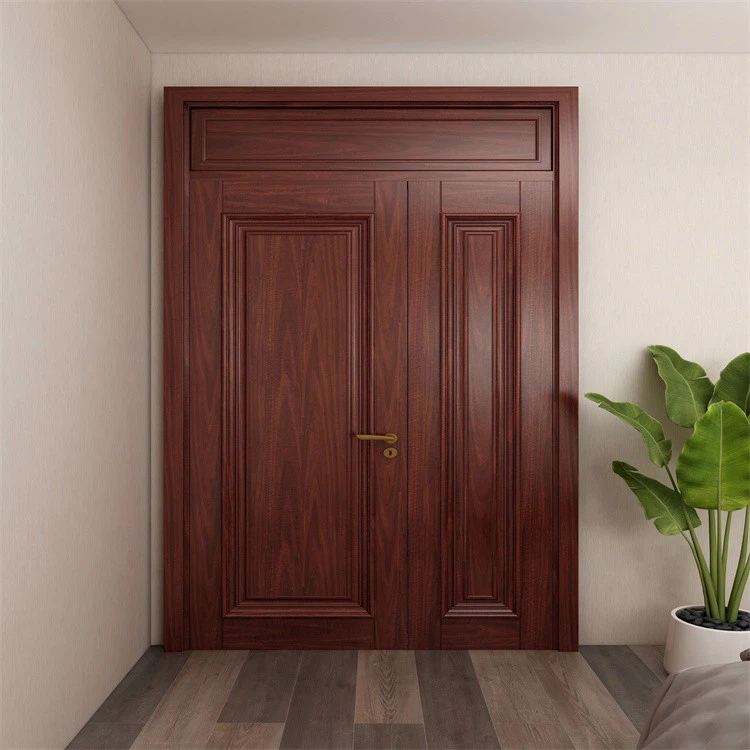

5052 Aluminum
The 5052 alloy contains magnesium as the primary alloying element. It is highly corrosion - resistant, especially in marine environments. This makes it a great option for doors in coastal areas or buildings with high humidity levels.
5052 aluminum has good formability and is often used for doors that require a high degree of flexibility in design. However, it is not as strong as the 6000 series alloys. So, it might not be the best choice for heavy - duty applications where high strength is required. But for light - to medium - duty doors, such as those in a kitchen, 5052 can be a great option. Take a look at our Aluminium Door in Kitchen options made from 5052 aluminum.
Factors Affecting Grade Selection
Application
The intended use of the door is a major factor in determining the appropriate aluminum grade. For exterior doors that need to withstand harsh weather conditions, a stronger and more corrosion - resistant grade like 6061 is usually recommended. Interior doors, on the other hand, may not require the same level of strength and can be made from a grade like 6063 for its better appearance.
Budget
Different aluminum grades come with different price tags. Generally, higher - strength alloys or those with special properties may be more expensive. If you're on a tight budget, you may need to consider a more cost - effective option like 6063 or 5052, depending on your requirements.
Aesthetic Requirements
If you have specific design and appearance requirements, the aluminum grade can play a crucial role. For example, if you want a door with a smooth, polished finish, 6063 is a better choice due to its superior surface quality.
Quality and Performance
The grade of aluminum used in a door directly impacts its quality and performance. Higher - grade aluminum doors tend to be more durable, with better resistance to dents, scratches, and corrosion. They also have a longer lifespan, which means you'll save money in the long run by not having to replace the doors as often.
In terms of performance, stronger aluminum grades can support larger door sizes without sagging or warping. This is important for creating spacious and open - feeling interiors. Additionally, corrosion - resistant grades ensure that the door maintains its integrity even in challenging environments.
Why Choose Our Aluminum Doors
As an aluminum door supplier, we understand the importance of using the right grade of aluminum for each application. We source our aluminum from trusted suppliers and use advanced manufacturing processes to ensure the highest quality of our doors.
Our team of experts can help you select the best aluminum grade for your specific needs. Whether you're a homeowner looking for a new interior door or a contractor working on a large - scale commercial project, we have the knowledge and experience to provide you with the right solution.
Contact Us for Your Aluminum Door Needs
If you're interested in purchasing aluminum doors, we'd love to hear from you. We can provide you with detailed information about our products, including the different aluminum grades available, pricing, and installation options. Whether you have questions about our Internal Aluminum Doors, Aluminum Single Door, or Aluminium Door in Kitchen, our friendly customer service team is ready to assist you. Reach out to us today to start the conversation about your next aluminum door project!
References
- Aluminum Association. (2023). Aluminum Alloy Designations and Chemical Composition Limits for Wrought Aluminum and Wrought Aluminum Alloys.
- ASM International. (2022). Metals Handbook: Properties and Selection: Nonferrous Alloys and Pure Metals.