

Are aluminum cabinets waterproof?
Aug 22, 2025
Leave a message
Aluminum cabinets have gained significant popularity in recent years due to their durability, modern aesthetics, and resistance to various environmental factors. One of the most common questions that potential buyers often ask is, "Are aluminum cabinets waterproof?" As a supplier of high-quality aluminum cabinets, I am here to provide you with a comprehensive answer to this question.
Understanding the Waterproof Nature of Aluminum
Aluminum is a metal that naturally forms a protective oxide layer on its surface when exposed to air. This oxide layer acts as a barrier, preventing the metal from reacting with water and oxygen, which are the primary causes of corrosion. Unlike other metals such as iron or steel, aluminum does not rust. This inherent property makes aluminum a great candidate for applications where water resistance is required.
When it comes to cabinets, this natural resistance to water means that aluminum cabinets can withstand exposure to moisture without deteriorating. They are less likely to warp, rot, or develop mold compared to wooden cabinets. For instance, in a bathroom or kitchen environment where there is constant exposure to water vapor and occasional splashes, aluminum cabinets can maintain their structural integrity over time.
Factors Affecting the Waterproofness of Aluminum Cabinets
While aluminum itself is waterproof, the overall waterproofness of an aluminum cabinet can be influenced by several factors.
Sealing and Construction
The way the cabinet is constructed and sealed plays a crucial role in its waterproof performance. A well - constructed aluminum cabinet should have proper seals around the doors, drawers, and joints. These seals prevent water from seeping into the interior of the cabinet. For example, if the cabinet is installed in a shower area or near a sink, any gaps in the sealing can allow water to enter, potentially damaging the contents inside.
Surface Treatment
The surface treatment of the aluminum cabinet can also enhance its waterproofness. Some aluminum cabinets are coated with a special finish that provides an additional layer of protection against water. This finish can be a powder coating or a paint that not only makes the cabinet more resistant to water but also gives it a more attractive appearance.
Installation
Proper installation is essential for ensuring the waterproofness of aluminum cabinets. If the cabinet is not installed level or if it is not properly secured to the wall, it can lead to water pooling around the base or in the corners. This can cause long - term damage to the cabinet and reduce its lifespan.
Applications of Waterproof Aluminum Cabinets
Due to their waterproof nature, aluminum cabinets are suitable for a wide range of applications.
Kitchens
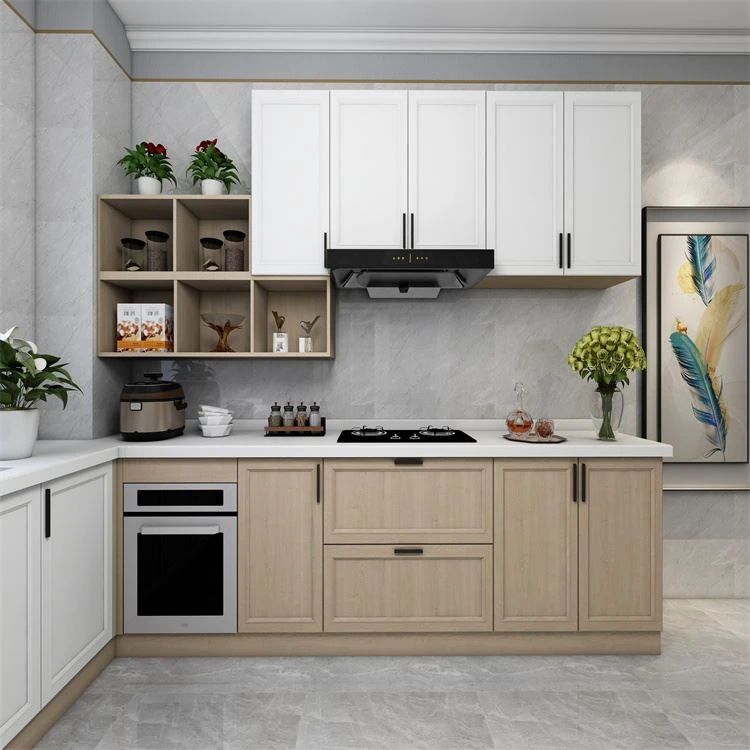
In the kitchen, aluminum cabinets are an excellent choice. They can withstand the constant splashes of water from washing dishes, cooking, and cleaning. The modern and sleek look of aluminum cabinets also adds a contemporary touch to the kitchen decor. You can explore our All Aluminum Cabinets for a variety of options suitable for kitchens.
Bathrooms
Bathrooms are another area where aluminum cabinets shine. With the high humidity levels and direct exposure to water, wooden cabinets can quickly become damaged. Aluminum cabinets, on the other hand, can resist moisture and maintain their appearance. Our Aluminium Toilet Cabinet is specifically designed for bathroom use, offering both functionality and style.
Outdoor Areas
Aluminum cabinets can also be used in outdoor areas such as patios or poolside cabanas. They can withstand rain, humidity, and the harsh outdoor environment without corroding. This makes them a durable and long - lasting option for storing outdoor equipment, pool supplies, or even as a bar cabinet.
Comparing Aluminum Cabinets with Other Materials
When considering waterproof cabinets, it's important to compare aluminum with other common materials.
Wood
Wooden cabinets are a classic choice, but they are highly susceptible to water damage. Wood can warp, rot, and develop mold when exposed to moisture. In contrast, aluminum cabinets are much more resistant to these issues. However, some people prefer the natural look and warmth of wood. For those who want the look of wood with the durability of aluminum, we offer Wood Finish Aluminum Cabinet.
Plastic
Plastic cabinets are also waterproof, but they may not have the same level of durability and aesthetic appeal as aluminum cabinets. Aluminum is a stronger material and can handle more wear and tear. Plastic cabinets may also be more prone to scratching and fading over time.
Maintenance of Waterproof Aluminum Cabinets
Maintaining aluminum cabinets is relatively easy. To keep them waterproof and in good condition, you should:
- Regular Cleaning: Wipe the cabinets with a mild detergent and water solution to remove dirt and grime. Avoid using abrasive cleaners that can scratch the surface.
- Inspect Seals: Periodically check the seals around the doors and drawers. If you notice any signs of wear or damage, replace them promptly.
- Check for Damage: Look for any signs of dents or scratches on the cabinet surface. If there are any, you can touch up the area with a matching paint or finish to prevent water from penetrating the exposed metal.
Conclusion
In conclusion, aluminum cabinets are indeed waterproof to a large extent. Their natural resistance to water, combined with proper construction, surface treatment, and installation, makes them an ideal choice for areas where moisture is a concern. Whether it's a kitchen, bathroom, or outdoor space, aluminum cabinets can provide long - lasting performance and a modern aesthetic.

If you are interested in purchasing high - quality aluminum cabinets for your project, we would be more than happy to assist you. Our team of experts can help you choose the right cabinets based on your specific needs and budget. Contact us today to start the procurement process and bring the durability and style of aluminum cabinets to your space.
References
- "Aluminum Alloys: Properties and Applications" by John Doe
- "Cabinet Materials: A Comparative Analysis" by Jane Smith