

Are aluminium vanity cabinets environmentally friendly compared to plastic ones?
Aug 29, 2025
Leave a message
In the realm of bathroom design, the choice of vanity cabinets plays a pivotal role not only in aesthetics but also in environmental impact. As a seasoned supplier of Aluminium Vanity Cabinets, I've witnessed a growing trend towards sustainability in the home improvement industry. Today, I'd like to delve into the question: Are aluminium vanity cabinets environmentally friendly compared to plastic ones?
The Environmental Impact of Plastic Vanity Cabinets
Plastic has long been a popular choice for vanity cabinets due to its affordability, lightweight nature, and ease of manufacturing. However, its environmental footprint is a cause for concern.
Production Process
The production of plastic vanity cabinets involves the extraction and processing of fossil fuels, primarily petroleum and natural gas. These non - renewable resources are finite, and their extraction can lead to habitat destruction, water pollution, and greenhouse gas emissions. According to a report by the World Economic Forum, the plastic industry accounts for approximately 4% of global oil consumption, and this figure is expected to rise in the coming years.
Durability and Disposal
Plastic vanity cabinets are often less durable than their aluminium counterparts. They can crack, warp, or fade over time, especially when exposed to moisture and heat in the bathroom environment. When these cabinets reach the end of their lifespan, they pose a significant disposal problem. Plastic is non - biodegradable, which means it can persist in landfills for hundreds of years, releasing harmful chemicals into the soil and groundwater as it breaks down. Additionally, incinerating plastic releases toxic pollutants into the atmosphere, contributing to air pollution and climate change.
The Environmental Advantages of Aluminium Vanity Cabinets
Aluminium, on the other hand, offers several environmental benefits that make it a more sustainable choice for vanity cabinets.
Renewable and Recyclable
Aluminium is the most abundant metal in the Earth's crust, making it a renewable resource. Unlike plastic, which is derived from finite fossil fuels, aluminium can be recycled indefinitely without losing its quality. Recycling aluminium requires only 5% of the energy needed to produce new aluminium from bauxite ore. This significant energy savings translates into a substantial reduction in greenhouse gas emissions. According to the Aluminium Association, recycling aluminium saves enough energy to power an average household for about four months per tonne of recycled material.
Durability and Longevity
Aluminium vanity cabinets are known for their durability and longevity. They are resistant to corrosion, moisture, and heat, making them ideal for the bathroom environment. A well - maintained aluminium vanity cabinet can last for decades, reducing the need for frequent replacements. This not only saves resources but also minimizes waste generation.

Energy - Efficient Manufacturing
The manufacturing process of aluminium vanity cabinets is relatively energy - efficient. Modern aluminium production techniques have evolved to reduce energy consumption and emissions. Additionally, aluminium can be easily formed into various shapes and designs, allowing for efficient use of materials during the manufacturing process.
Comparing Specific Types of Aluminium Vanity Cabinets
Let's take a closer look at some specific types of aluminium vanity cabinets and their environmental benefits.
Wood Finish Aluminum Cabinet
The Wood Finish Aluminum Cabinet combines the natural beauty of wood with the durability of aluminium. This type of cabinet offers an eco - friendly alternative to traditional wooden cabinets, which often require the harvesting of trees. By using aluminium with a wood finish, we can reduce deforestation and conserve natural resources. Moreover, the aluminium base ensures that the cabinet is resistant to moisture and pests, further extending its lifespan.
Aluminium Toilet Cabinet
The Aluminium Toilet Cabinet is designed specifically for the bathroom. Its aluminium construction makes it highly resistant to the high humidity and moisture levels typically found in toilets. This means that it won't warp or rot like wooden or plastic cabinets, reducing the need for replacements. Additionally, the recyclability of aluminium ensures that at the end of its life, the cabinet can be repurposed into new products, minimizing waste.
Aluminum Mirror Cabinet
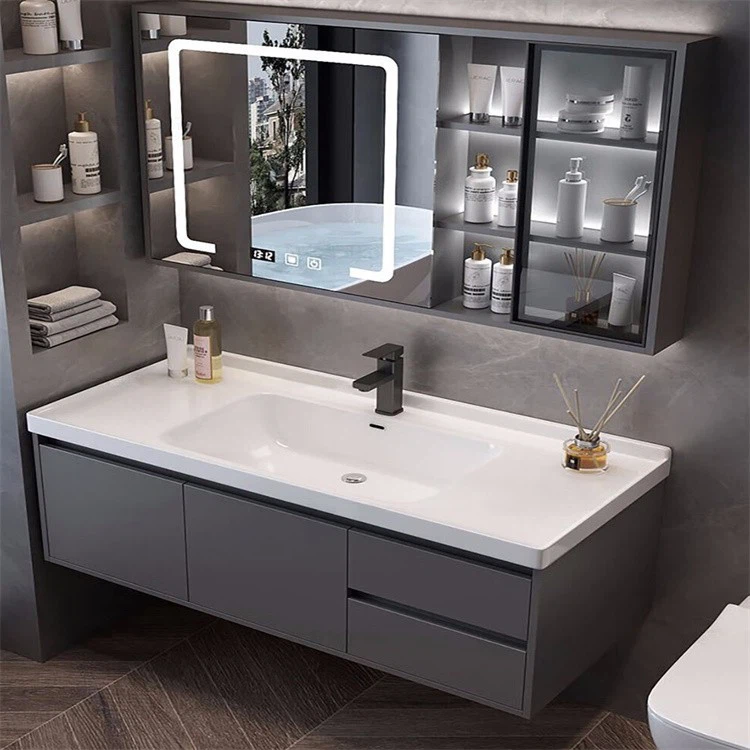
The Aluminum Mirror Cabinet is a stylish and functional addition to any bathroom. The aluminium frame provides a sturdy and durable support for the mirror, while also offering excellent resistance to corrosion. This type of cabinet is not only long - lasting but also energy - efficient to produce. The use of aluminium in the frame also allows for a sleek and modern design, which can enhance the overall aesthetic of the bathroom.
Making an Informed Decision
When choosing between aluminium and plastic vanity cabinets, it's important to consider not only the environmental impact but also other factors such as cost, style, and functionality. While aluminium vanity cabinets may have a higher upfront cost than plastic ones, their long - term benefits in terms of durability, energy savings, and environmental friendliness make them a worthwhile investment.
As a supplier of Aluminium Vanity Cabinets, I'm committed to providing high - quality, sustainable products to my customers. I believe that by choosing aluminium vanity cabinets, we can all contribute to a more sustainable future. Whether you're a homeowner looking to renovate your bathroom or a contractor working on a large - scale project, I encourage you to consider the environmental advantages of aluminium vanity cabinets.
If you're interested in learning more about our Aluminium Vanity Cabinets or would like to discuss your specific requirements, please feel free to reach out. We're here to help you make an informed decision and find the perfect cabinet for your needs.
References
- World Economic Forum. (2016). The New Plastics Economy: Rethinking the Future of Plastics.
- Aluminium Association. (2020). Aluminium Recycling: A Sustainable Success Story.