

Are aluminium shoe cabinets durable?
Jun 18, 2025
Leave a message
Are aluminium shoe cabinets durable?
As a supplier of aluminium shoe cabinets, I've been frequently asked about the durability of these products. It's a crucial question for customers who want to make a long - term investment in their household storage solutions. In this blog, I'll delve into the factors that determine the durability of aluminium shoe cabinets and provide you with a comprehensive understanding of why they are a great choice for your home.
Material Properties of Aluminium
Aluminium is a remarkable metal known for its inherent strength - to - weight ratio. It is lightweight yet robust, making it an ideal material for furniture. Unlike heavier metals such as steel, aluminium is easier to handle during installation and re - positioning, without sacrificing on durability.
One of the key features of aluminium is its resistance to corrosion. Aluminium forms a thin, protective oxide layer on its surface when exposed to air. This layer acts as a barrier, preventing moisture and oxygen from reaching the underlying metal. In the context of shoe cabinets, this is extremely important. Shoes can often bring in moisture from the outside, especially in wet weather. If the cabinet is made of a less corrosion - resistant material, it could rust or degrade over time. However, with an aluminium shoe cabinet, you can rest assured that it will remain in good condition even in a relatively humid environment.
Structural Design
The durability of an aluminium shoe cabinet also depends on its structural design. A well - designed cabinet will have a sturdy frame that can withstand the weight of multiple pairs of shoes. At our company, we use advanced engineering techniques to ensure that our shoe cabinets have a balanced and stable structure.
The joints in our aluminium shoe cabinets are carefully crafted. We use high - quality fasteners and welding techniques to ensure that the different parts of the cabinet are securely connected. This prevents the cabinet from coming apart or becoming wobbly over time. Additionally, the shelves in our cabinets are designed to support the weight of shoes evenly. They are reinforced to prevent sagging, which is a common problem in some cheaper shoe cabinets.
Finish and Coating
The finish and coating of an aluminium shoe cabinet play a significant role in its durability. A good quality finish not only enhances the aesthetic appeal of the cabinet but also provides an extra layer of protection.
We apply a powder - coating finish to our aluminium shoe cabinets. This type of coating is highly durable and resistant to scratches, chips, and fading. The powder - coating process involves electrostatically applying a dry powder to the surface of the aluminium and then baking it in an oven. This creates a hard, smooth, and long - lasting finish. It also gives the cabinet a uniform color that will look great for years to come.

Comparison with Other Materials
When comparing aluminium shoe cabinets with those made from other materials, such as wood or particleboard, aluminium clearly has several advantages in terms of durability.
Wooden shoe cabinets can be prone to warping, cracking, and insect infestation. If the wood is not properly treated, it can absorb moisture and start to rot. On the other hand, particleboard cabinets are often made from compressed wood particles and a resin binder. They are not as strong as solid wood or aluminium, and they can easily break or delaminate, especially when exposed to moisture.
In contrast, aluminium shoe cabinets are not affected by these issues. They are a more reliable and long - lasting option for your home.
Maintenance
Another aspect that contributes to the durability of aluminium shoe cabinets is their low maintenance requirements. Unlike some other materials, aluminium does not require frequent cleaning or special treatments.
To keep your aluminium shoe cabinet looking its best, you simply need to wipe it down with a damp cloth occasionally. You can use a mild detergent if there are stubborn stains, but in most cases, just water will do the trick. This ease of maintenance means that the cabinet will retain its good condition for a long time with minimal effort on your part.
Real - World Performance
Over the years, we have received numerous positive feedback from our customers about the durability of our aluminium shoe cabinets. Many of them have reported that their cabinets have lasted for several years without any significant signs of wear and tear, even with regular use.
For example, a customer in a coastal area, where the air is more humid, wrote to us saying that their aluminium shoe cabinet has remained in perfect condition after five years. They were initially worried about the corrosion, but the cabinet has proven to be highly resistant to the salty and humid air.
Related Aluminium Cabinet Products
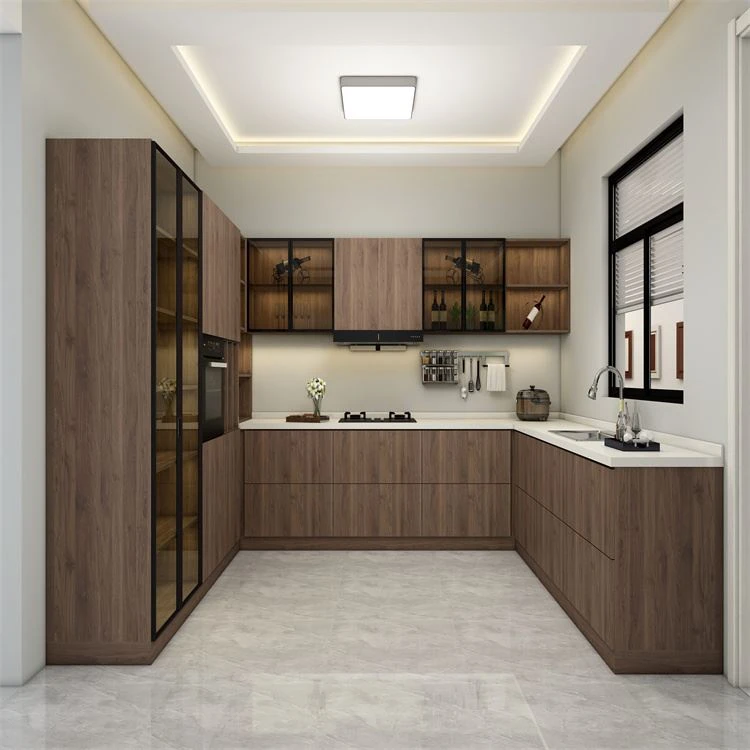
If you are interested in other aluminium cabinet products, we also offer a wide range of options. You can check out our Dish Cabinet Aluminum, which is designed to be durable and stylish for your kitchen. Our Aluminium Toilet Cabinet is perfect for the bathroom, with its corrosion - resistant properties. And for a more unique storage solution, our U - shaped Aluminum Cabinet offers a large storage capacity with a modern design.
Conclusion
In conclusion, aluminium shoe cabinets are highly durable. Their material properties, structural design, finish, and low maintenance requirements all contribute to their long - lasting performance. Whether you are looking for a practical and reliable storage solution for your home or a commercial space, an aluminium shoe cabinet is an excellent choice.
If you are interested in our aluminium shoe cabinets or any of our other aluminium cabinet products, we invite you to contact us for more information and to discuss your purchasing needs. We are always happy to assist you in finding the perfect cabinet for your requirements.
References
- "Metals Handbook: Properties and Selection: Nonferrous Alloys and Pure Metals", ASM International.
- "Handbook of Corrosion Engineering", by Pierre R. Roberge.